
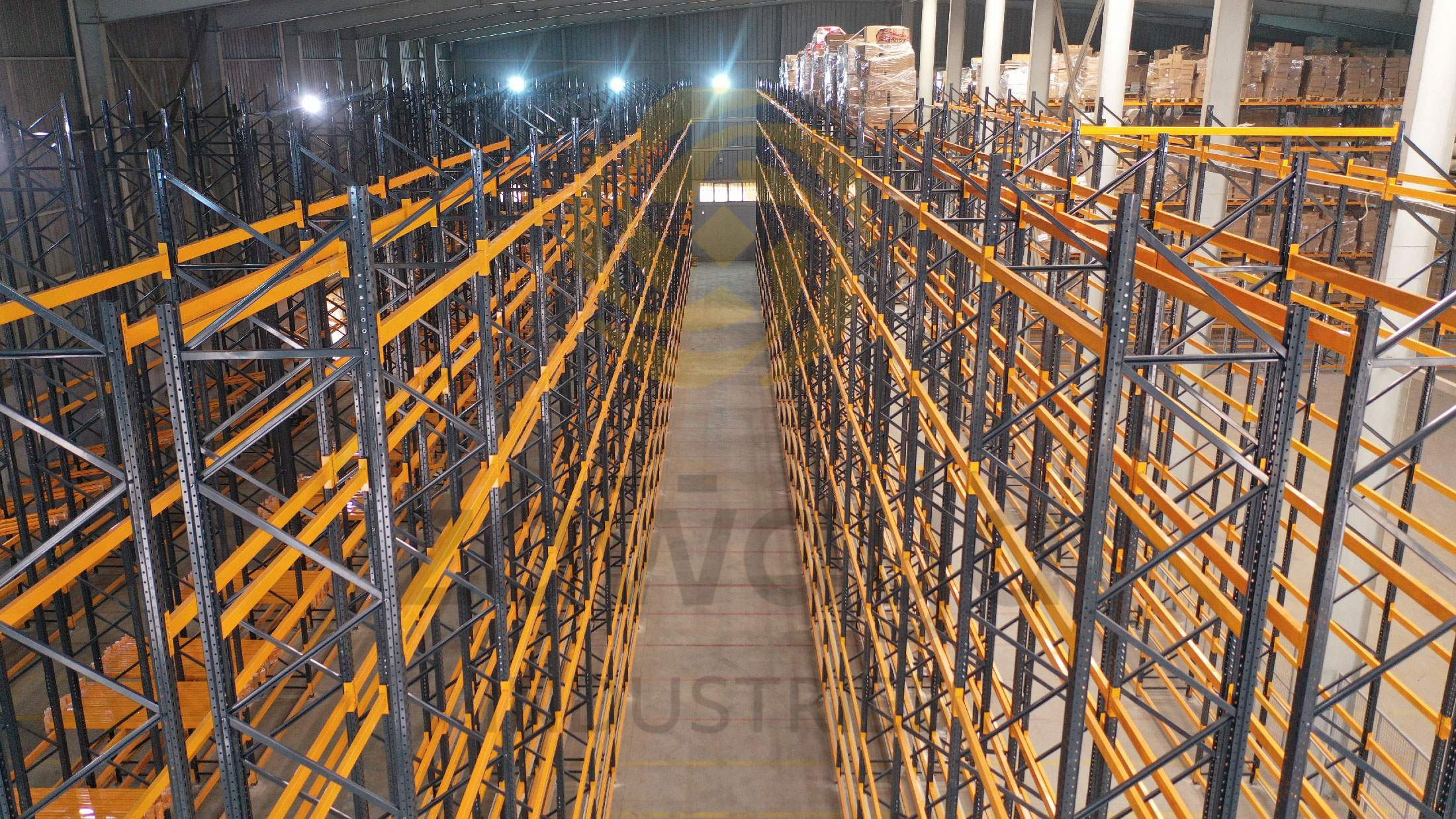
ما هو نظام رفوف الباليت؟
رفوف البالت هو نظام يُستخدم لتنظيم البضائع على البالتات أو الوسائل المماثلة، مما يسهل تخزينها ونقلها عبر سلسلة التوريد. تم تطويره خلال الحرب العالمية الثانية لتحسين كفاءة النقل، وكان في الأصل مصنوعًا من الخشب. اليوم، تُصمم رفوف البالت بشكل أساسي لتخزين الأحمال الثقيلة على البالتات في المستودعات ومراكز اللوجستيات، مقدمةً حلًا تخزينيًا فعالًا ومنظمًا ومتوافقًا مع معدات المناولة الصناعية.
Core Components of a Pallet Racking System
To understand how the system works, it’s vital to look at its core components. The structure is primarily composed of Upright Frames (the vertical pillars) and Load Beams (the horizontal supports that hold the pallets). The quality and thickness of the steel used in these components directly determine the system’s weight capacity and overall durability.
الفوائد الرئيسية لأنظمة رفوف البالت
توفر عملية طبلية البضائع (Palletising) للتخزين الصناعي مزايا تشغيلية متعددة؛ حيث ترفع كفاءة العمليات في المستودعات، وتساهم في تنظيمها وتعزيز معايير السلامة بها.
- تقليل أوقات التحميل والتفريغ
- الاستخدام الفعال لمساحة المستودع من خلال ضغط البضائع
- تحسين السلامة أثناء النقل والتخزين
- مرونة أكبر في المناولة والنقل
- إدارة أفضل للمخزون والبضائع
- خفض تكاليف المناولة والنقل والتخزين
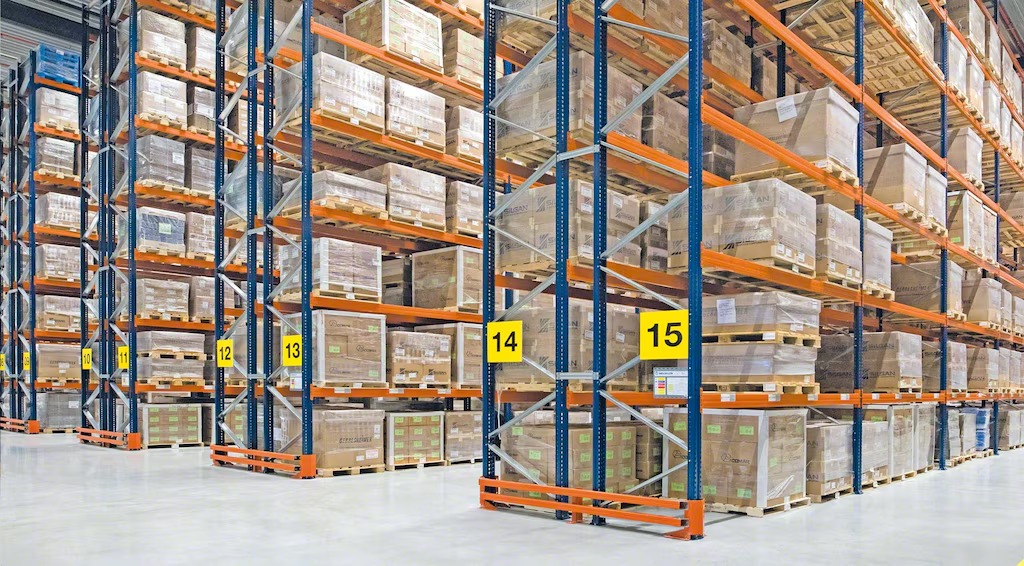
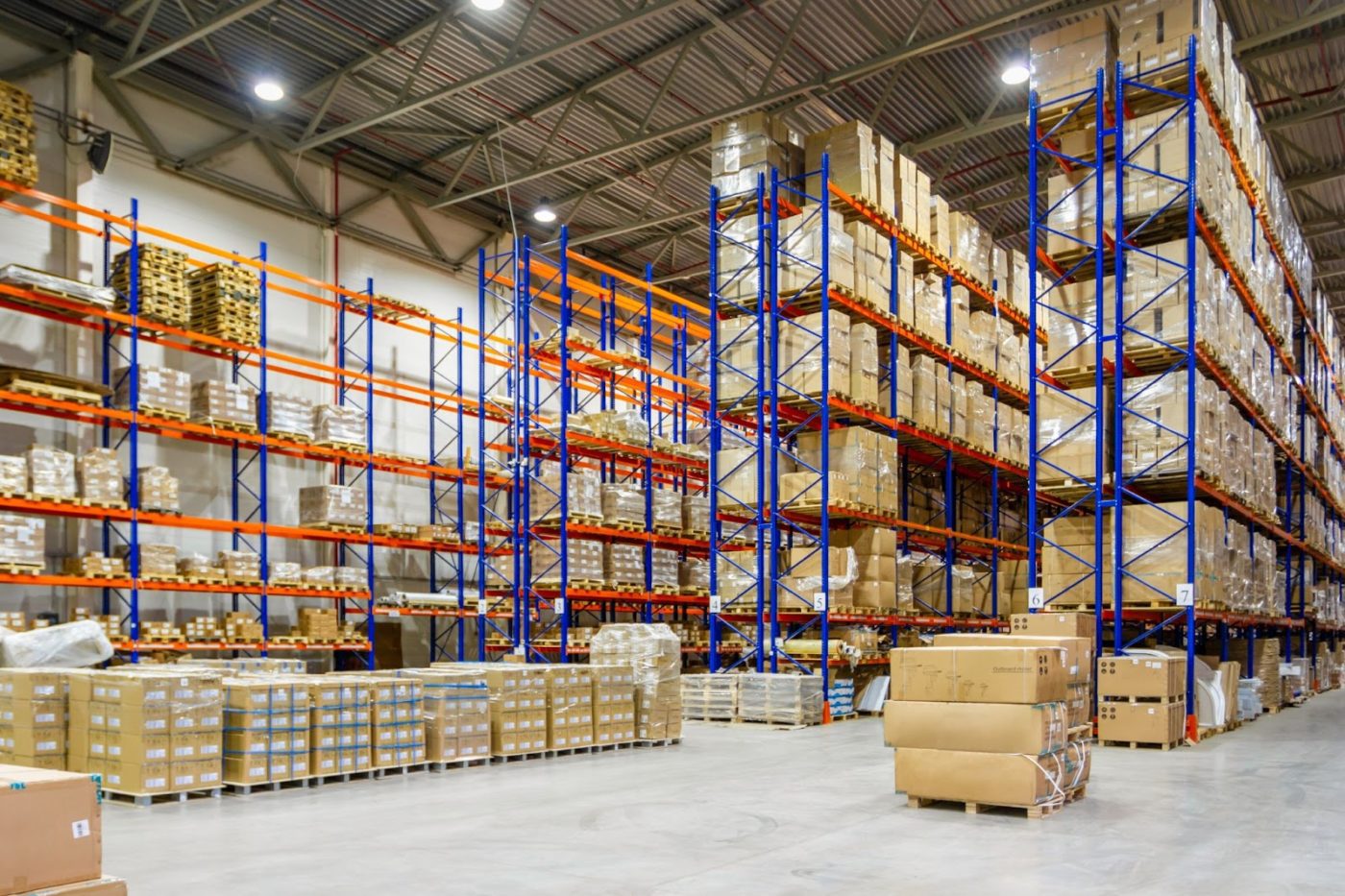
اختيار بين أنظمة تخزين البالت الانتقائية والعالية الكثافة
عند اختيار نظام رفوف البليت, من الضروري مراعاة مساحة المستودع، وسهولة الوصول، ومعدل دوران المخزون. تنقسم أنظمة أرفف الطبالي إلى فئتين رئيسيتين: أنظمة التخزين الانتقائي التي توفر وصولاً مباشراً لكل طبلية، والأنظمة المكثفة التي تهدف إلى استغلال مساحة التخزين بأقصى كفاءة ممكنة.
يجب على الشركات تقييم أولوياتها التشغيلية — سواء كان الهدف تعظيم استخدام المساحة المتاحة أو ضمان الوصول السريع والسهل إلى البضائع. تلعب عوامل مثل نوع المنتج، وتكرار دوران المخزون، واحتياجات إدارة المخزون دورًا أساسيًا في عملية الاختيار.
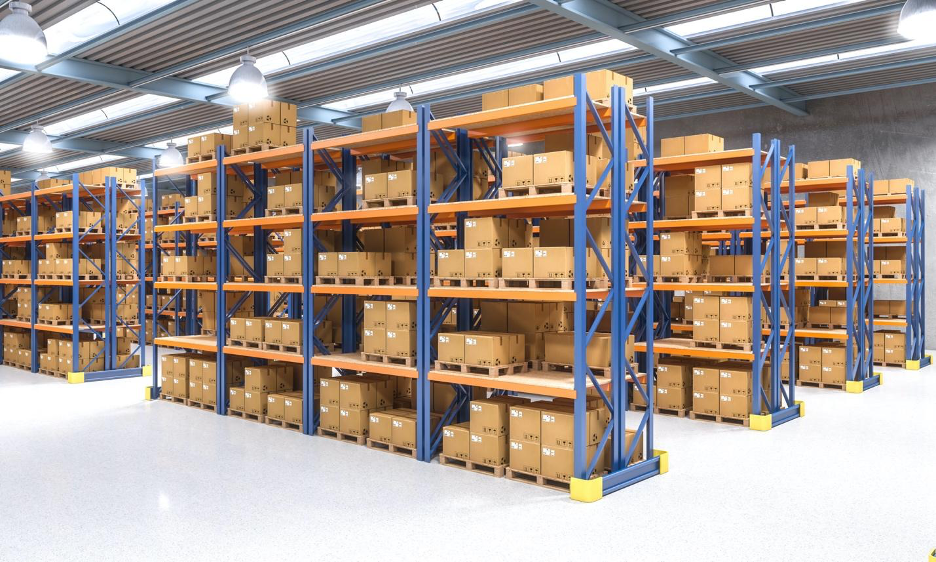
أنواع أنظمة رفوف البالت
Different pallet racking systems are designed to suit various warehouse layouts, storage needs, and Inventory Turnover rates. Below are the most common types, each requiring specific Material Handling Equipment (like Reach Trucks or Counterbalance Forklifts) for optimal operation:”
-
Adjustable Pallet Racking: Offers direct access to all pallets. It’s the most flexible option but requires more floor space for forklift aisles.
-
Very Narrow Aisle (VNA) Racking: Maximizes Storage Density by reducing aisle width to the bare minimum. It requires specialized VNA forklifts.
-
Double Deep Racking: Boosts capacity by storing pallets two-deep, which is great for high-volume items with medium Inventory Turnover.
-
Drive-In & Drive-Through Racking: High-density systems where forklifts enter the racks. Ideal for large quantities of the same SKU
فهم تكلفة أنظمة تخزين البالتات
أحد أكثر الأسئلة شيوعاً من العملاء هو كيفية حساب تكلفة نظام تخزين البالتات. لا يوجد سعر ثابت واحد، لأن هناك العديد من المتغيرات التي تؤثر على التكلفة الإجمالية، مثل التصميم، المواد، قدرة التحميل، وظروف السوق. في شركة زوايا، نحرص على الشفافية والدقة من خلال تقديم أسعار واقعية تعتمد على احتياجات التخزين الفعلية الخاصة بكم.
العوامل الرئيسية المؤثرة على تكلفة الرفوف
Pallet racking costs are determined by a combination of structural requirements, engineering standards, and environmental conditions. While height and capacity are primary drivers, a professional quote considers the following technical variables:
-
Structural Components (Upright Frames & Load Beams): The cost varies based on the gauge (thickness) and height of the Upright Frames, as well as the length and weight capacity of the Load Beams required to support your specific pallet sizes.
-
Weight Capacity & Steel Grade: Heavier loads require high-strength structural steel or reinforced roll-formed components, which directly impact the material investment.
-
System Height & Seismic Configuration: Taller systems require advanced engineering compliance. In certain regions, Seismic Design is mandatory to ensure the racks remain stable during tremors, which involves additional structural bracing.
-
Safety & Accessories: Beyond the basic rack, adding safety features like Wire Mesh Decking or Column Protectors adds to the initial cost but significantly reduces long-term maintenance and insurance risks.
-
Compliance & LARC Drawings: Professional installations include Load Application and Rack Configuration (LARC) drawings. These engineering documents are essential for safety audits and ensuring the system meets local building codes.
-
Market Conditions: Global steel prices and logistics costs remain fluid and affect overall pricing at the time of procurement.
الأسئلة الشائعة حول أنظمة أرفف المستودعات
1. ما هي استخدامات نظام أرفف الطبالي
صُمم نظام أرفف الطبالي (أرفف المستودعات) لتنظيم وتخزين البضائع على بالتات بكفاءة عالية؛ مما يسرع عمليات التحميل والتفريغ وإدارة المخزون، ويعزز مستويات السلامة داخل المستودعات والمراكز اللوجستية.
2. ما هي الأنواع الرئيسية لأنظمة أرفف الطبالي
تشمل الأنواع الرئيسية: أرفف الطبالي القابلة للتعديل، وأرفف الممرات الضيقة جداً (VNA)، وأرفف التخزين العميق المزدوج، بالإضافة إلى أرفف الدخول بالونش، وأنظمة التخزين الحي (FIFO)، وأرفف الدفع الخلفي، وأرفف الطبالي المتحركة. يوفر كل نوع منها مزايا مختلفة تعتمد على مساحة المستودع، وسهولة الوصول، ومعدل دوران المخزون.
3. كيف يتم تحديد تكلفة نظام أرفف الطبالي
تعتمد التكلفة على عدة عوامل مثل سعة الحمولات (وزن الطبالي)، وارتفاع النظام، ونوع المواد المستخدمة، ومخطط المستودع، ومدى الالتزام بمعايير السلامة والأمان. لذا، فإن استشارة مورد أرفف مستودعات متخصص تضمن لك الحصول على تسعير دقيق بناءً على متطلبات التخزين الخاصة بك.