
Warehouse Storage 2026: How Zawaya is Bridging the Gap in Smart Storage Solutions
Is your warehouse a “storage box” or a “growth engine”? In 2026, storage is no longer just about floor space. The real question is: Is your warehouse working for you and generating profit… or is it silently bleeding your revenue through inefficiency?
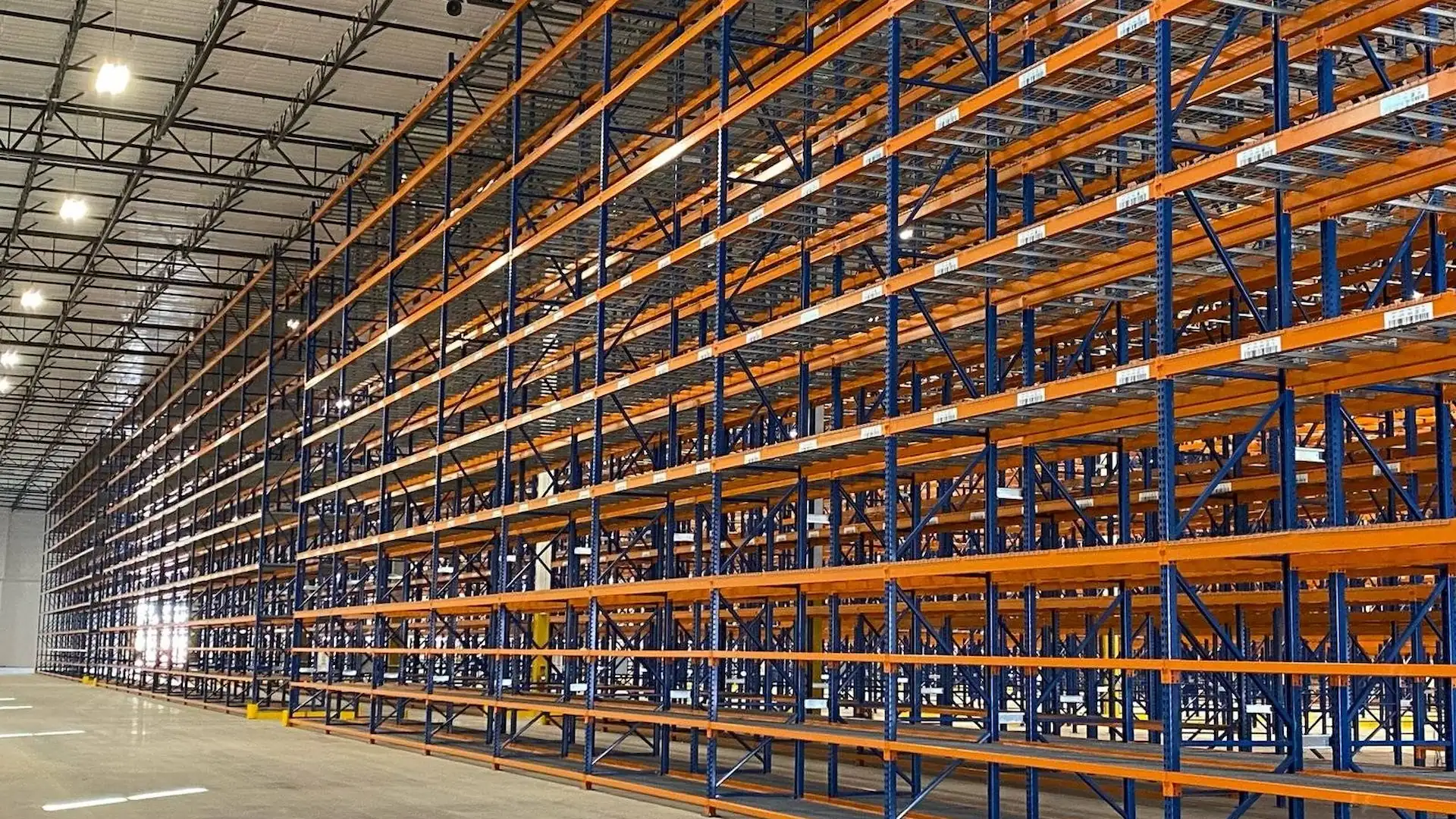
Across Egypt and the GCC, the logistics sector faces a glaring gap between surging demand and modern Warehouse Storage Solutions. Many facilities still rely on legacy systems that waste 30% of vertical capacity. This is where engineered solutions become critical—transforming your warehouse from an operational burden into a dominant competitive edge.
Outpacing Competitors: Integrating Automation and AI in 2026
The 2026 market has zero tolerance for delays, repetitive human errors, or dormant spaces.
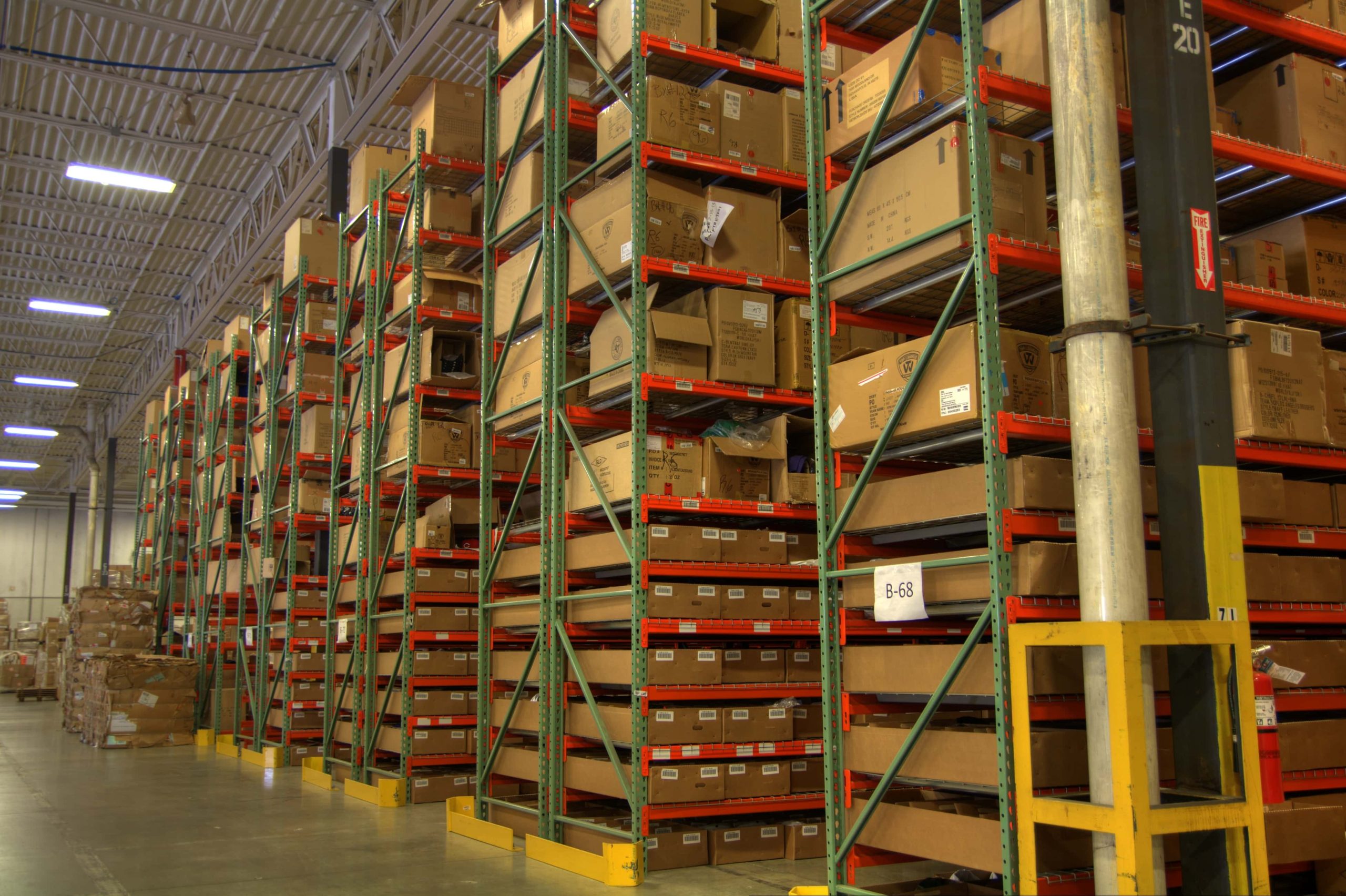
- AS/RS Compatibility: Automated Storage and Retrieval Systems are no longer a luxury. In hubs like Cairo and Riyadh, they are becoming the industry standard. Modern industrial racking must be engineered for seamless integration from day one, avoiding costly future retrofits.
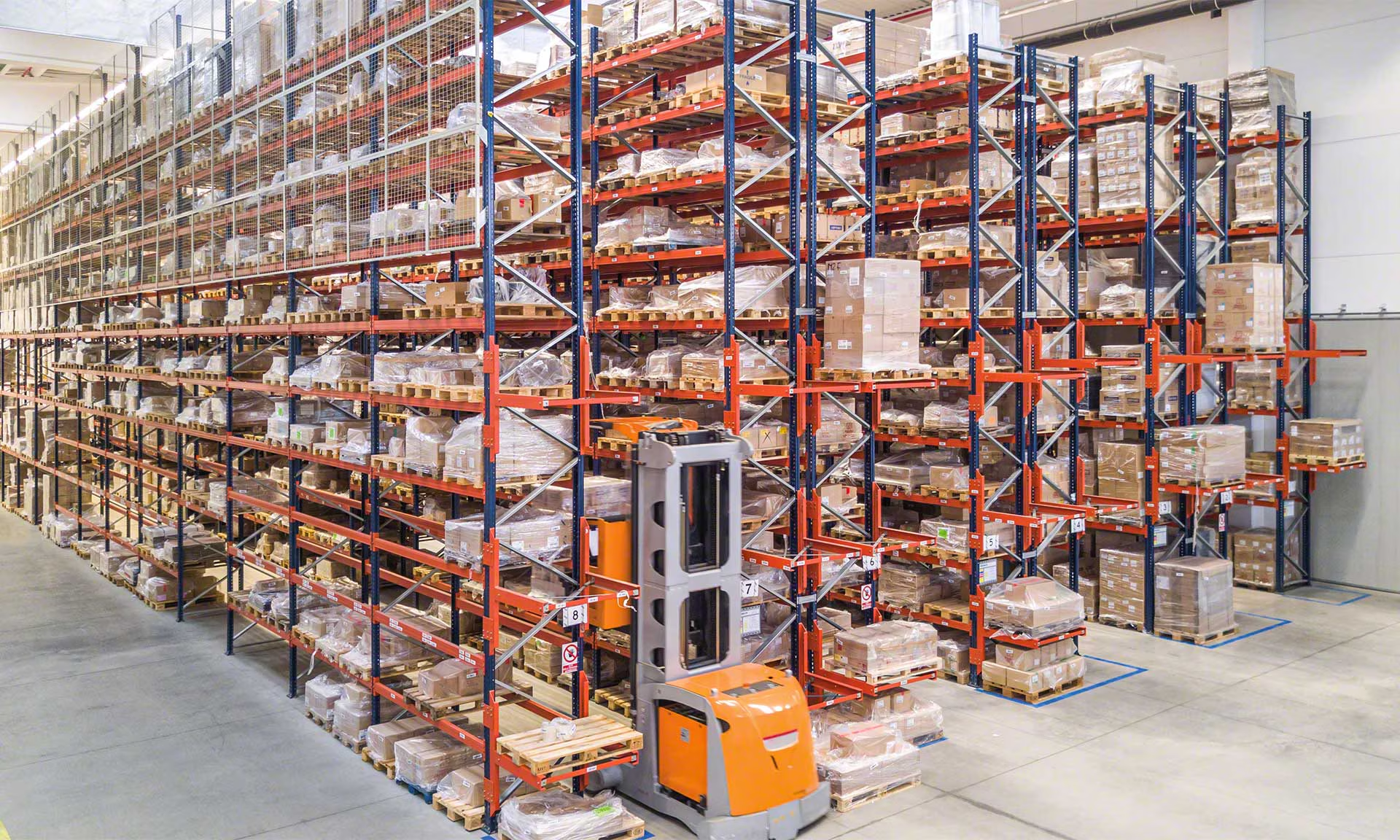
- Ready for AMRs (Autonomous Mobile Robots): Intelligent aisle planning allows robots and AGVs to navigate fluidly. The result? A 50% reduction in loading/unloading times, enhanced handling accuracy, and zero waste.
The future isn’t about adding a robot to an old warehouse… it’s about designing a warehouse that speaks the robot’s language.
The Traditional Racking Trap: How Chaos Devours Your Profits
Many suppliers sell “steel.” We sell “synchronized systems.” The difference lies in understanding the ecosystem.
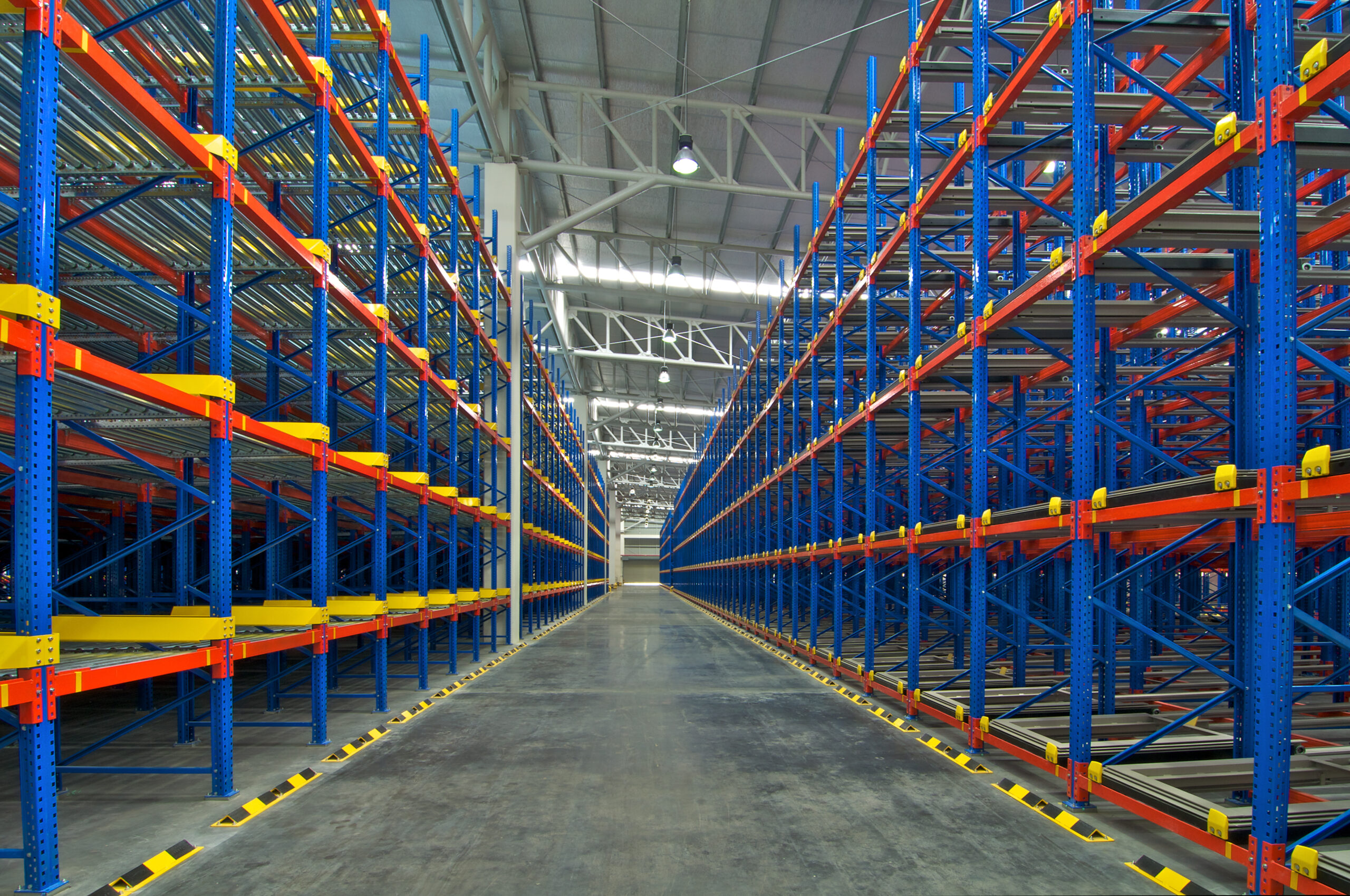
- Vertical Scaling vs. Horizontal Expansion: Land is expensive. Expanding your footprint means massive construction costs. The smarter move is maximizing vertical warehouse solutions. High-density systems can boost your capacity by 50% without adding a single square meter to your facility’s footprint.
- Regional Environmental Resilience: A warehouse in a coastal zone faces salt and humidity; a facility in a Gulf industrial city faces extreme heat and structural stress. Our heavy-duty storage solutions aren’t just about steel thickness—it’s about specialized material science, surface treatments, and load-bearing standards tailored to the region’s harsh climate.
2026 Logistics Investments: Why Global Players Demand Smart Solutions
Logistics and E-commerce investments are hitting record highs. But today’s investor isn’t looking for “more space”—they want a clear ROI. High-density Warehouse Storage Solutions reduce travel distances for workers and accelerate pick rates.
This directly translates to:
- Up to 40% reduction in operational costs.
- Elimination of human error in inventory management.
- Hyper-speed order fulfillment.
- Optimized inventory turnover.
FAQ: Strategic Insights
- Are these warehouse storage systems customizable?
- Yes. Every solution is engineered based on SKU profiles, weight requirements, and forklift dimensions. We build a system that fits your workflow, not the other way around.
- How is structural safety guaranteed?
- Through high-grade industrial steel, precise load-point calculations, and strict adherence to international safety codes for heavy-duty racking. Safety is a core engineering requirement, not an add-on.
- Traditional vs. High-Density: What’s the difference?
- Traditional layouts rely on wide aisles and horizontal spread. High-density warehouse storage solutions utilize vertical reach and minimize dead space, doubling your storage capacity in the same area.
Don’t Invest in “Steel”—Invest in the Future
The warehouse is no longer a place to stack goods; it is a strategic asset in your supply chain. The gap between a legacy facility and a “Smart Hub” will define who grows and who recedes in the coming years.
By choosing Warehouse Storage Solutions designed with deep regional expertise, you aren’t just buying racks. You are building the infrastructure that supports your expansion, slashes your costs, and masters the technology of 2026.
The market is moving fast. The question isn’t whether you need to upgrade—it’s how soon can you start?