
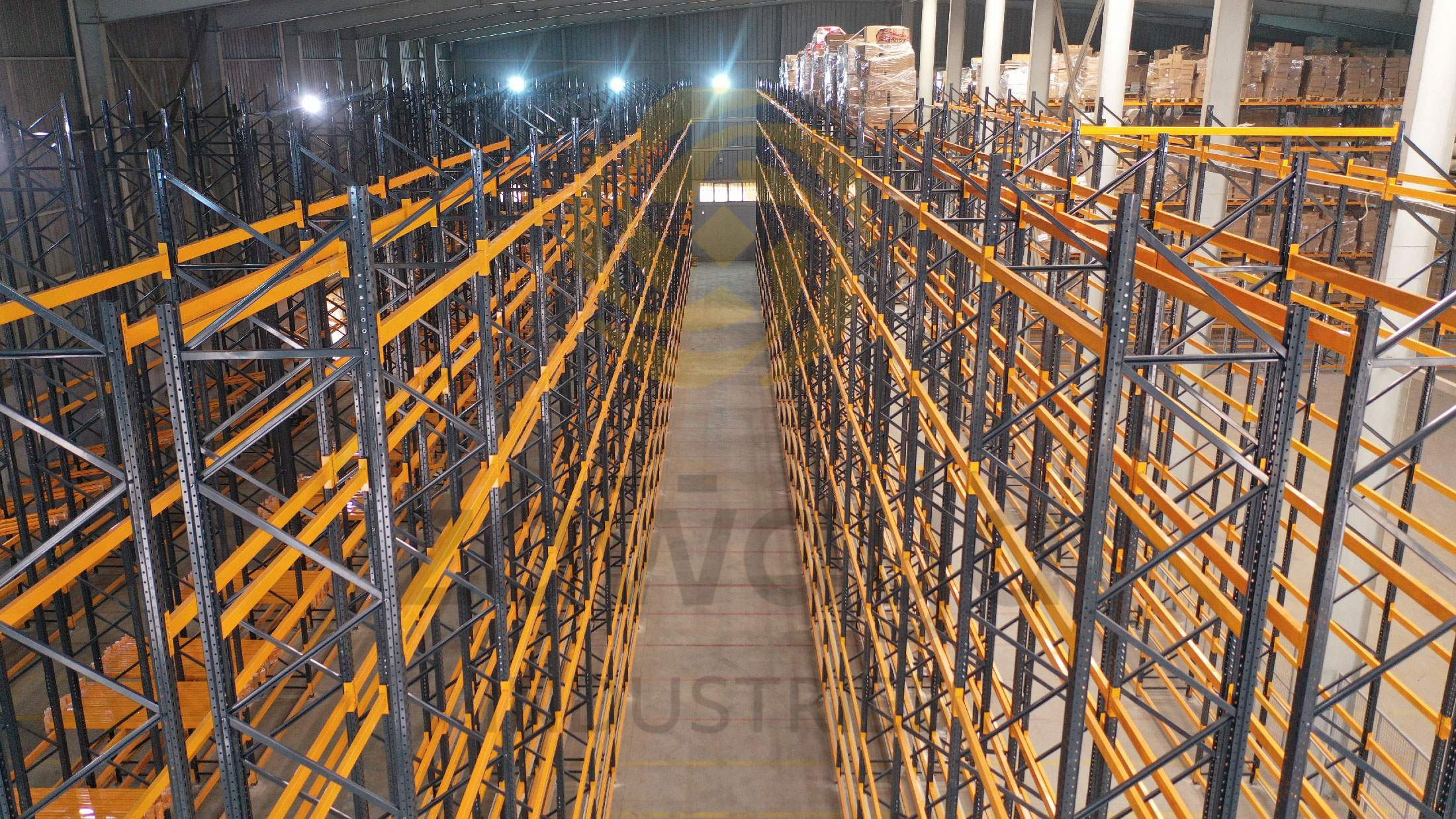
What is Pallet Racking System?
Learn what is a pallet racking system and explore its types, benefits, and how it optimizes warehouse storage efficiently. Whether you are setting up a new facility or upgrading an existing one, choosing the right racking solution is the backbone of a productive supply chain.
How Does a Pallet Racking System Work?
Core Components That Make it Possible
To understand how the system works, it’s vital to look at its core components. The structure is primarily composed of Upright Frames (the vertical pillars) and Load Beams (the horizontal supports that hold the pallets). The quality and thickness of the steel used in these components directly determine the system’s weight capacity and overall durability.
The Top 5 Benefits of Industrial Palletizing
Palletising goods for industrial storage provides several operational advantages. It enhances efficiency, organization, and safety in warehouse operations.
- Streamlined loading and unloading times
- Efficient use of warehouse space through compacting goods
- Improved safety during transport and storage
- Greater flexibility in handling and transportation
- Better stock and inventory management
- Reduced handling, transportation, and storage costs
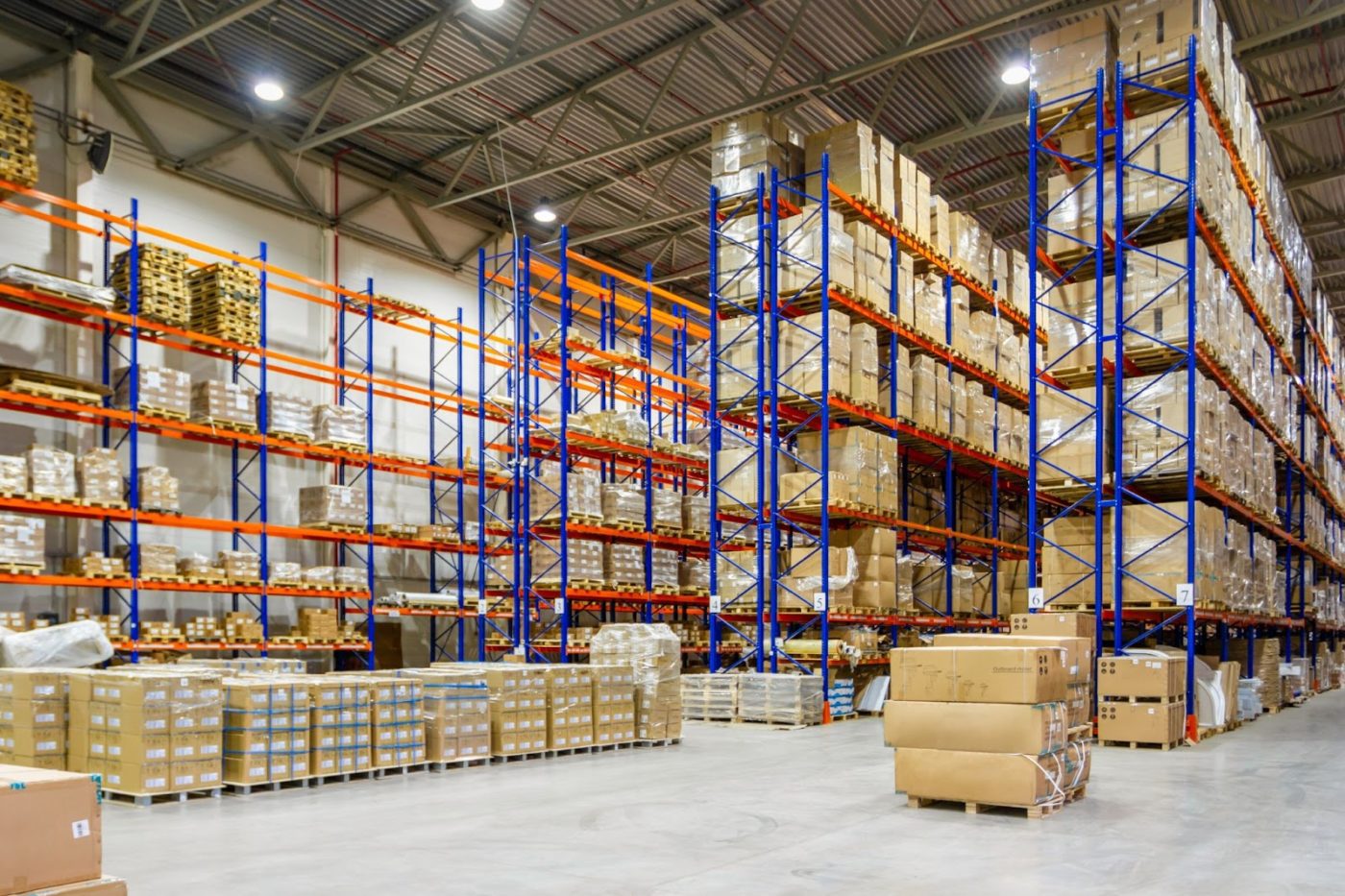
Choosing Between Selective and Compact Pallet Storage Systems
When selecting a pallet racking system, it’s essential to consider warehouse space, accessibility, and turnover rate. There are two main categories of racking: selective storage systems (providing direct access to every pallet) and compact systems (maximizing storage density).
Companies must assess their operational priorities — whether maximizing available space or ensuring fast and easy access to goods. Factors such as product type, stock rotation frequency, and inventory management needs play a critical role in the selection process.
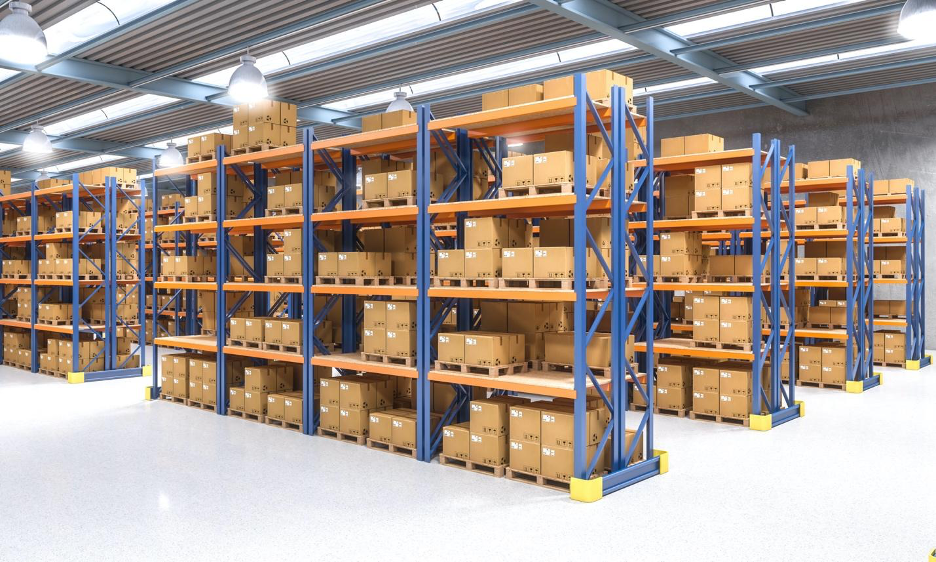
Common Types of Pallet Racking Systems and Their Uses.
Specialized warehouse racking companies design different systems to suit various warehouse layouts, storage needs, and inventory turnover rates. Below are the most common types, each requiring specific Material Handling Equipment (like Reach Trucks or Counterbalance Forklifts) for optimal operation.
-
Adjustable Pallet Racking: Offers direct access to all pallets. It’s the most flexible option but requires more floor space for forklift aisles.
-
Very Narrow Aisle (VNA) Racking: Maximizes Storage Density by reducing aisle width to the bare minimum. It requires specialized VNA forklifts.
-
Double Deep Racking: Boosts capacity by storing pallets two-deep, which is great for high-volume items with medium Inventory Turnover.
-
Drive-In & Drive-Through Racking: High-density systems where forklifts enter the racks. Ideal for large quantities of the same SKU
Comparison Between Common Pallet Racking Systems
| System Type | Space Utilization | Accessibility | Best For |
| Selective Racking | 40% | 100% (Direct Access) | High SKU variety, fast turnover |
| Double Deep | 60% | 50% | High volume, same SKU items |
| Drive-In | 85% | Low (LIFO) | Bulk storage, limited space |
| VNA (Narrow Aisle) | 90% | 100% (with VNA truck) | Massive height, premium space |
Understanding the Cost of Pallet Racking Systems
One of the most frequent questions from clients is how to calculate the cost of a pallet racking system. There’s no single fixed price since multiple variables influence total cost, such as design, material, load capacity, and market conditions. At Zawaya, we prioritize transparency and accuracy by providing realistic pricing based on your exact storage requirements.
How Much Does Pallet Racking Cost?
Pricing is calculated “per pallet position” and varies based on the current Global Steel Index. To help you budget, here is a quick comparison:
-
Selective Racking: The most cost-effective initial investment.
-
High-Density Systems (Drive-In/Push-Back): Costs 20-40% more per position but saves up to 50% on warehouse space.
Top 3 Factors Driving the Cost:
-
Load Capacity: Heavier pallets (e.g., 2 tons) require thicker, higher-grade steel.
-
System Height: Going above 6 meters requires reinforced uprights and extra bracing.
-
Safety Essentials: Professional quotes include Column Protectors and LARC Safety Drawings to meet building codes.
-
In conclusion, choosing the right pallet racking system is a long-term investment that improves both safety and productivity in your facility.
Frequently Asked Questions about What is Pallet Racking System
1. What is a pallet racking system used for?
A pallet racking system is designed to organize and store goods on pallets efficiently, making loading, unloading, and inventory management faster and safer in warehouses and logistics centers.
2. What are the main types of pallet racking systems?
The main types include Adjustable Pallet Racking, Very Narrow Aisle (VNA) Racking, Double Deep Racking, Drive-In & Drive-Through Racking, Live Storage (FIFO), Push-Back Racking, and Mobile Pallet Racking. Each type offers different benefits depending on space, accessibility, and stock turnover.
3. How is the cost of a pallet racking system determined?
Cost depends on several factors such as load capacity, system height, material type, warehouse layout, and compliance with safety standards. Consulting a supplier ensures accurate pricing based on your specific storage requirements.
How often should pallet racking be inspected for safety?
According to international standards, a visual inspection should be done weekly, and a professional structural audit at least once a year to ensure warehouse safety.